Why they work for women: Suppress appetite (addresses emotional and hormonal eating) Reduce cravings (especially premenstrual cravings) Don't interfere with female hormones Safe for women (FDA-approved for obesity) Work regardless of menstrual cycle phase Dosing for women: Same titration protocol as men Start low (0.25-0.5mg weekly semaglutide) Increase gradually over weeks Find minimum effective dose (often lower than men need) Expected results: 15-25% body weight loss over 6 months Dramatic appetite suppression Significant improvement in metabolic markers Better blood sugar control Special considerations for women: Not safe during pregnancy or breastfeeding Can affect menstrual regularity temporarily May increase or decrease fertility (unclear, discuss with doctor if trying to conceive) Side effects (nausea) may be worse during certain cycle phases Cycle-specific tips: Start during follicular phase (weeks 1-2 after period) when nausea is typically lower Expect more intense side effects during luteal phase Appetite suppression counteracts premenstrual cravings See our semaglutide vs tirzepatide guide for detailed protocols
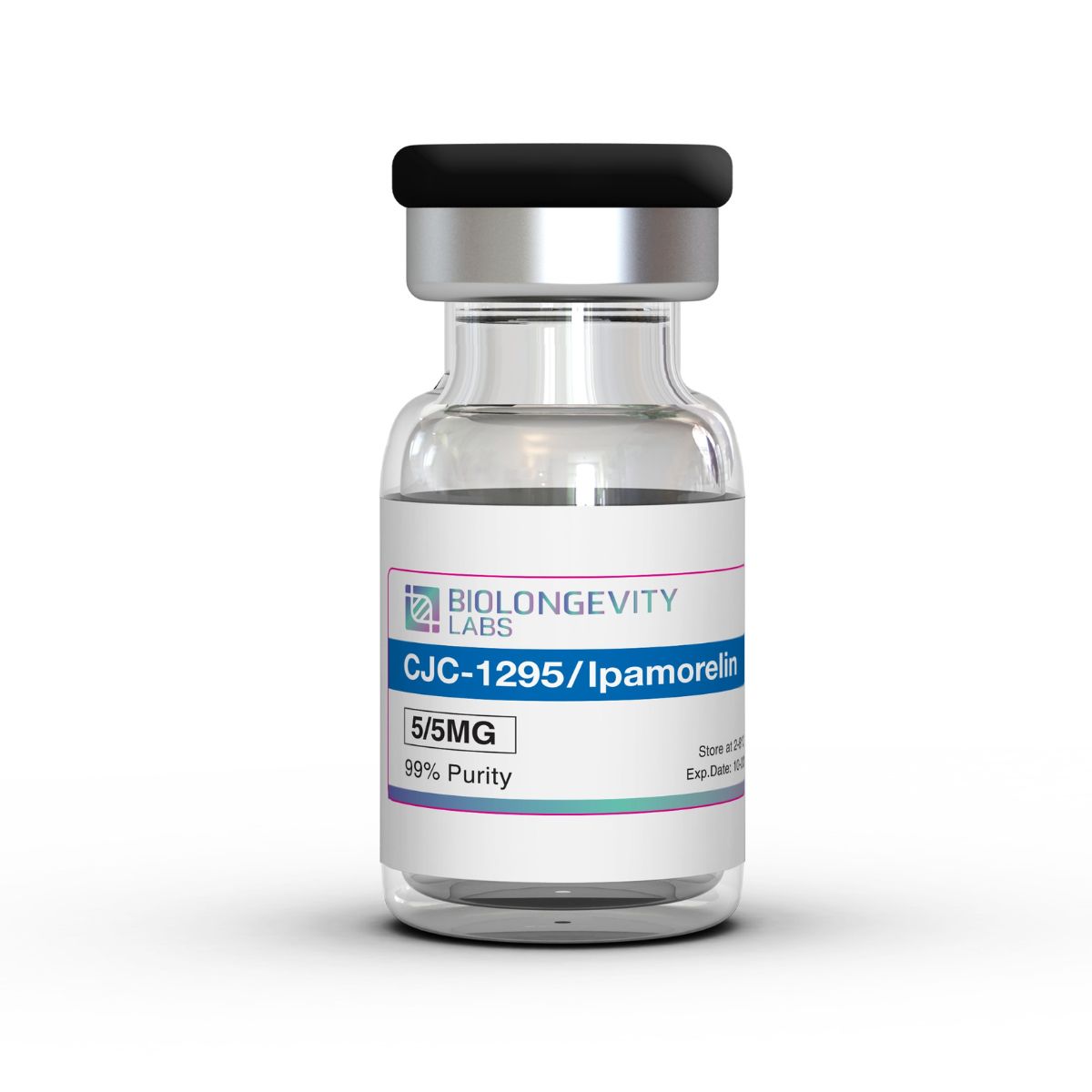
Figure 1 Indeed, there are three distinct forms of human Trx, encoded by separate genes: cytosolic Trx (Trx1) and mitochondrial Trx (Trx2), and a spermatid-specific isoform of Trx (SpTrx/Trx3)
Apple polyphenol extract improves high-fat diet-induced hepatic steatosis by regulating bile acid synthesis and gut microbiota in C57BL/6 male mice
This vial contains lyophilized BPC-157 at 99% purity, verified by independent third-party HPLC-UV analysis and LCMS mass confirmation
95% CI 0.445-0.893, p=0.01) and there was no significant difference in risk of TCMR in AILD when compared to non-AILD LTR ( Figure 1) , even after adjusting for age, gender, African American race, donor age, CMV mismatch, MELD, cold ischemia time, and median tacrolimus levels